
Solar Panels for Care Homes and Healthcare
Get a quoteBy investing in solar, care providers can cut energy costs, reduce VAT on installation and protect budgets, without disrupting the care they deliver.
Solar Panels for Care Homes and Healthcare
At Kembla, we understand the pressures care providers face, rising energy bills, tight margins, limited capital and buildings that run 24 hours a day. Our approach is built around how care homes actually operate, constant demand for heating, hot water and laundry, residents’ comfort first and no disruption to daily routines.
Why Kembla?
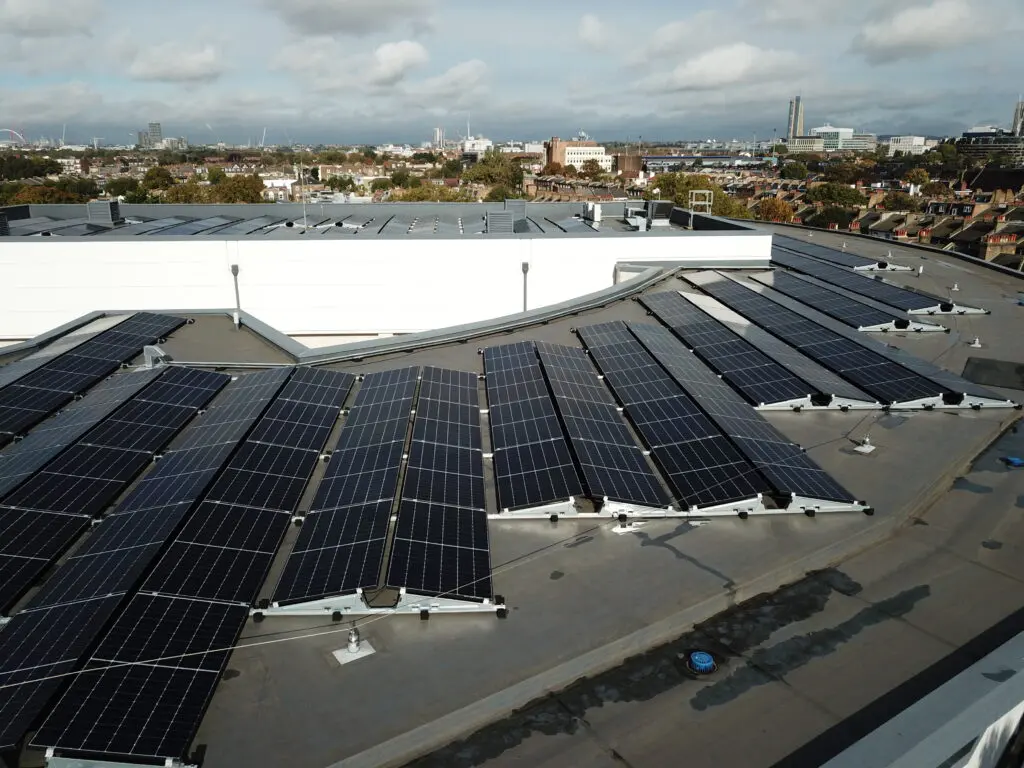
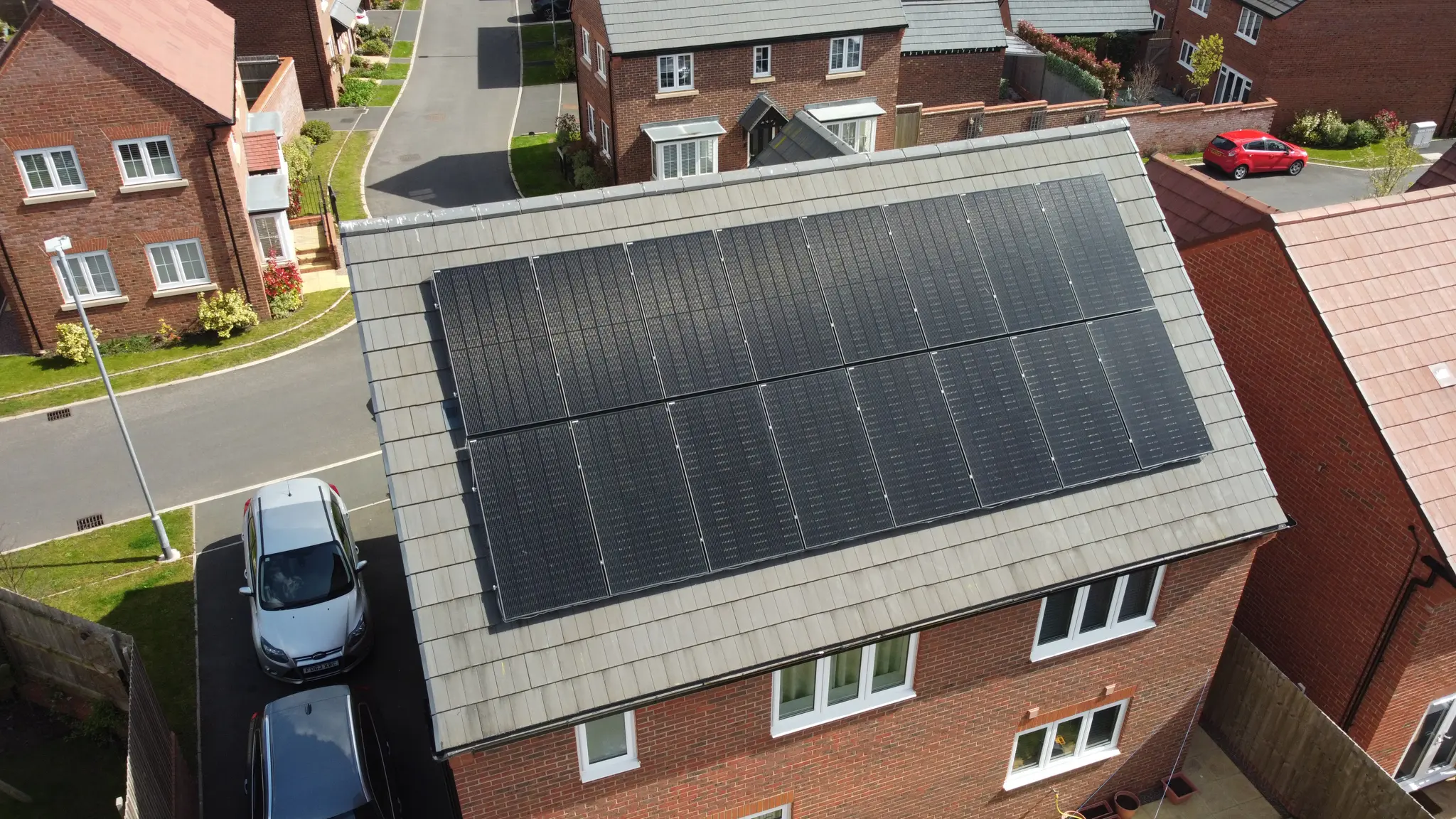
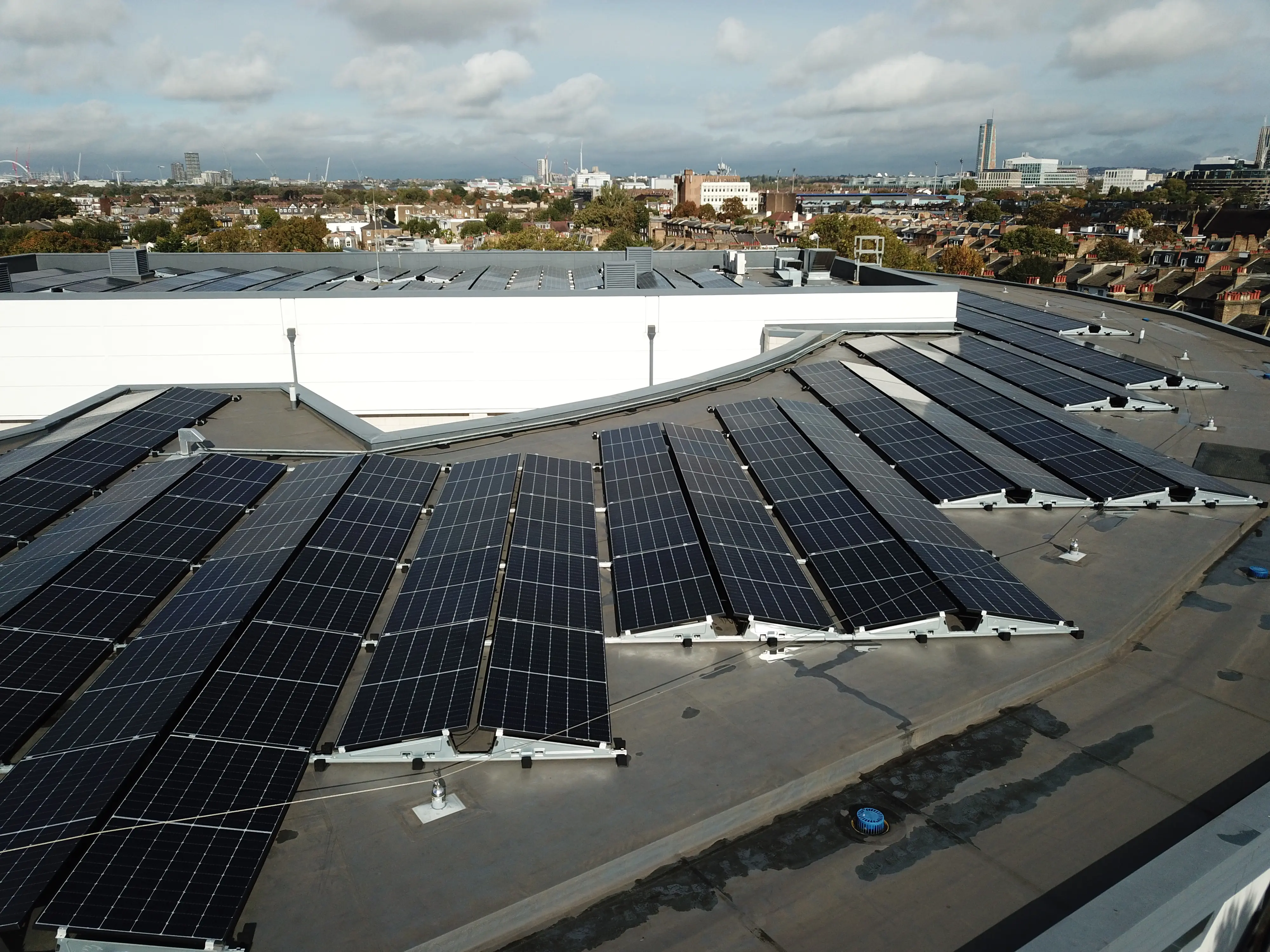
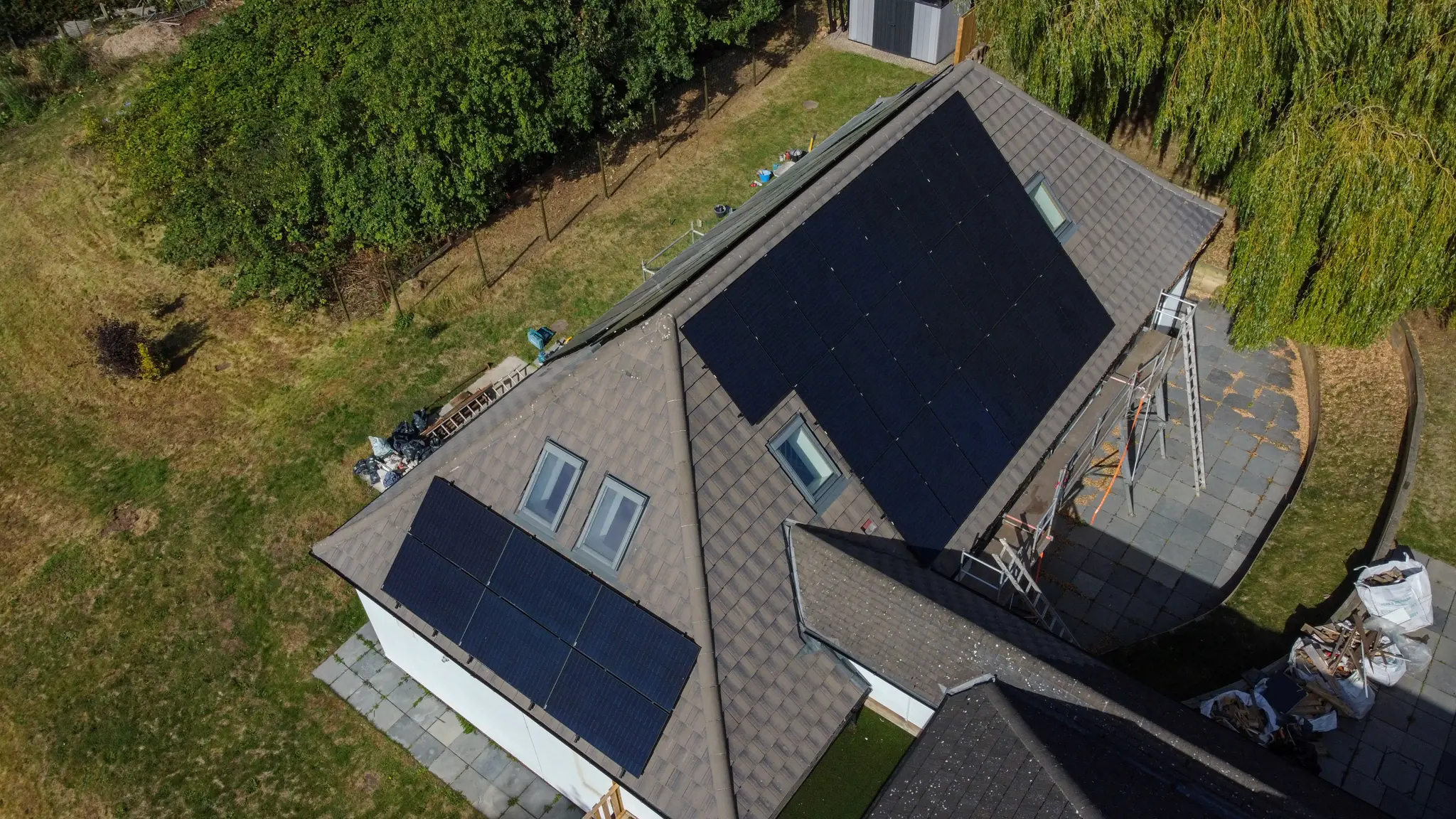
We’ve designed and installed solar panel and battery storage systems for healthcare and care home sites across the UK.


Josh Chadwick General Manager, The Tawny Hotel“It was a really seamless process with Kembla. They gave us all the data we needed, and any questions we had, they had great answers for. We felt confident they could deliver – and we’re already seeing massive benefits, even before peak summer.”
Why Solar Panels for Care Homes?
Energy is one of the biggest running costs for any care home. Heating, hot water, laundry, kitchens and lighting run around the clock, and rising prices squeeze budgets that are already tight. Solar tackles that directly, and battery storage lets you use your own power overnight, when demand stays high.
The numbers:
- Cut energy costs across heating, hot water, laundry and kitchens
- Use battery storage to cover evening and overnight demand
- Save on installation with 0% VAT on eligible sites
- Reduce carbon emissions and support your sustainability reporting
- Protect budgets from rising and unpredictable energy prices
- Create a more comfortable, consistent environment for residents
The result is lower running costs, a stronger green reputation and more budget for care.
Lower Costs, Lower Carbon and 0% VAT
Many care homes are classed as residential buildings, which means solar installations can qualify for 0% VAT. That’s a saving commercial sites don’t get. The relief is currently due to end in July 2027, so timing matters.
Solar also reduces your building’s carbon emissions, which can improve your EPC rating. Rating rules differ by building type and ownership, so we’ll advise on what applies to yours.
- 0% VAT on eligible installations
- Lower carbon emissions from day one
- Support a stronger EPC rating
- Clear evidence for sustainability reporting and commissioners
Eligibility depends on how your building is used. We’ll confirm during your survey.
Get a quote
Discuss Your Solar Energy Options
Find the Right Solar Solution for Your Care Home
Looking to reduce energy costs and improve your EPC rating? Whether you run a single care home or a wider group, our team can help you identify the best solution for your sites.
Get in touch today to discuss your requirements.
Frequently Asked Questions
Care homes have constant demand for heating, hot water and laundry, so they use much of what they generate. On-site generation cuts energy costs and gives you more control over rising bills.
Many do. The zero rate applies to energy saving installations in residential accommodation, which includes care homes. Eligibility depends on how your building is used, and we’ll confirm it during your survey. The relief is currently due to end in July 2027.
Solar generates in daylight, but battery storage lets you store excess power and use it in the evening and overnight, when care home demand stays high.
They can. Solar generation lowers your building’s carbon emissions, which is a key factor in the rating. The exact impact depends on your building, so a survey and EPC assessment will confirm what to expect.
It depends on your building type and ownership. Converted houses and purpose built care facilities can be assessed differently, so a qualified assessor can confirm yours. Either way, solar generation can help improve your rating.
Yes. On-site generation reduces the carbon you draw from the grid, and battery storage extends that further. We can help you model the likely carbon savings for your site.
We plan work around residents’ routines, with controlled access and agreed working hours. Most of the work takes place on the roof and away from living areas.
Only systems designed with backup capability can do this. We’ll advise on whether a backup supply suits your site and what it would cover.
Yes. We design systems to current standards and brief you on fire safety, isolation and access arrangements before installation.
Often, yes. Many care homes are in converted or period buildings, so we assess roof condition and structure early, and advise on options where listed status or conservation area rules apply.
Yes. We can assess a portfolio, prioritise the strongest sites and phase installation to suit your business.
Options include capital investment, asset finance and PPA models with no upfront cost. VAT treatment can vary by funding route, so we’ll confirm this for you. The right choice depends on your ownership structure and budget.
A professional survey assesses roof condition, structural capacity, orientation and shading. Many care homes have well suited roof areas.
Many installations fall under permitted development, but this varies by building type, listed status and location. A project assessment confirms what applies.
Very little. Periodic inspections, performance monitoring, which we can provide and it’s worth looking at occasional cleaning, with systems designed to last 25 to 30 years or more.
A feasibility assessment is the best starting point, reviewing your energy use, roof suitability, savings and funding options.