Social Housing Solutions
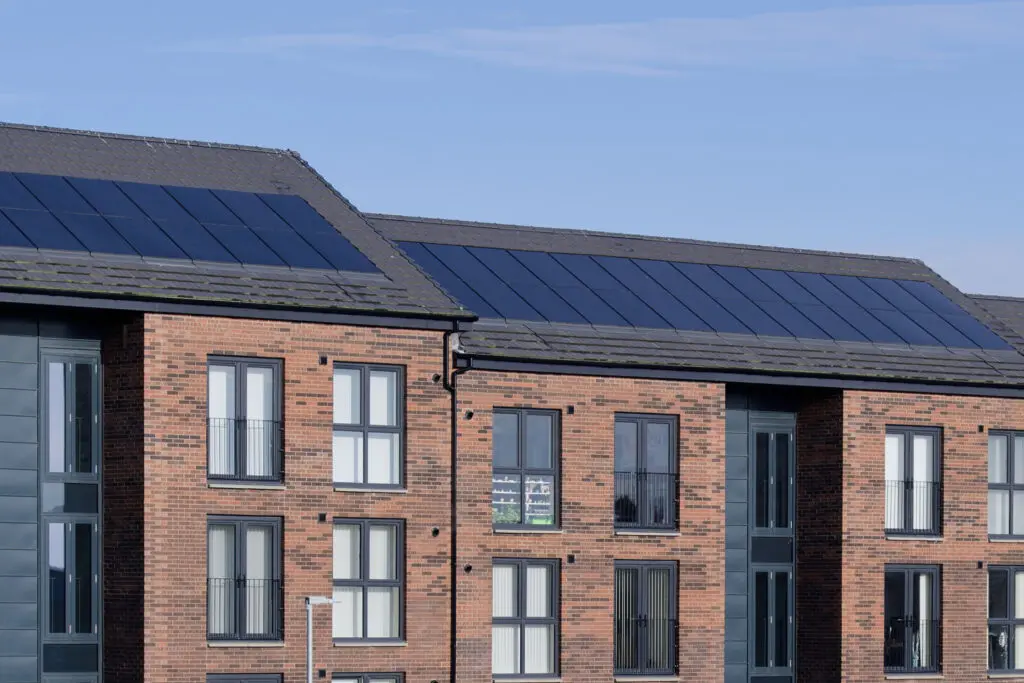
Get a quoteRenewable energy solutions can protect those in low income households from fuel poverty, helping them to stay warm and safe in their homes
Solar Installation completed at 502 properties
502A total of 4952 panels installed
4952Total KWP = 2644
2644Chat to us now
Want to know how renewables could reduce your energy costs? If yes, then contact the Kembla team today.
Get in touchSocial Housing
Kembla & LCX
Through our collaboration with Low Carbon Exchange, we have developed a wealth of experience in completing solar installations across multiple social housing properties in close proximity. Like Kembla, LCX support communities to reduce their carbon footprint and minimise the risks associated with fuel poverty. This is achieved through the shared application of our renewable energy expertise to offer installations and maintenance of energy efficient measures.
Benefits:
- Reduced energy bills
- Improved housing affordability
- Increased energy access
- Job creation and skills development
- Decarbonising communities
Social Housing Solar Solutions FAQs
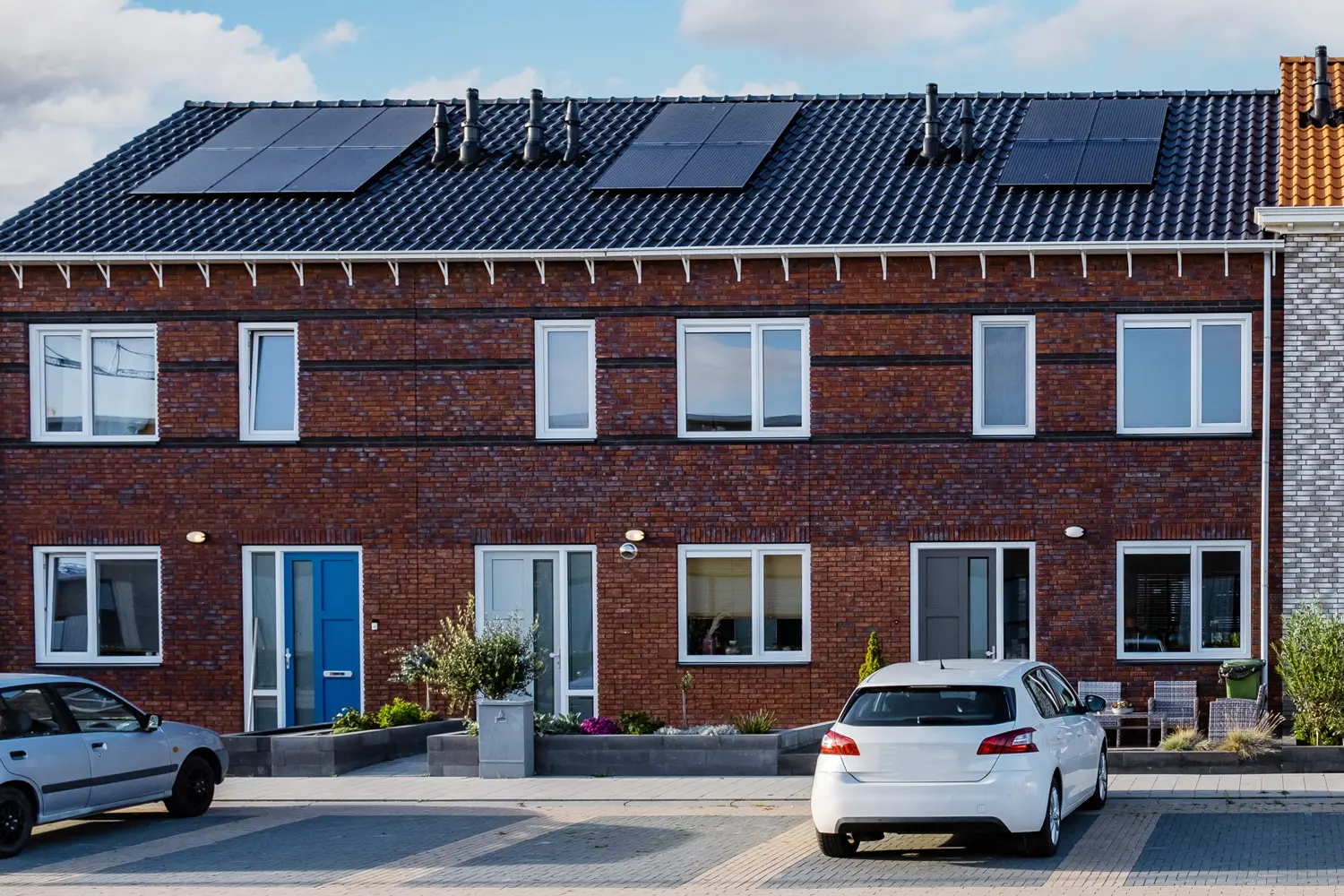
Solar panels can help reduce electricity costs for tenants, improve the energy efficiency of housing stock, and support better EPC ratings. For housing associations, local authorities and social landlords, solar PV can also contribute to wider decarbonisation targets and help protect residents from rising energy costs.
Yes. Tenants can benefit directly when solar energy generated on the property is used within the home. This can help reduce reliance on grid electricity and lower household energy bills, particularly during daylight hours when solar generation is strongest.
Funding depends on the structure of the project. Solar installations may be funded by housing providers, local authorities, grant schemes, partnership models or wider retrofit programmes. The best route will depend on the housing portfolio, available funding, tenant benefit model and long-term energy objectives.
Yes. Solar PV can be rolled out across multiple properties in planned phases. A phased approach helps housing providers manage surveys, resident communication, installation scheduling, access requirements and quality control across larger housing portfolios.
Timelines vary depending on the number of properties, roof types, access requirements, electrical works, DNO applications and project phasing. Individual installations may be completed quickly, while larger social housing programmes require careful planning to keep delivery efficient and minimise disruption for residents.
Yes. All solar installations must meet current electrical safety regulations, industry standards and relevant building requirements. For social housing projects, compliance, documentation, system testing and resident safety are especially important throughout the survey, installation and handover process.
Maintenance and monitoring can be included as part of a long-term solar programme. Regular inspections, performance checks and fault identification help ensure systems continue to operate safely and efficiently across the housing portfolio.
Yes. Battery storage can be included where it supports the needs of the property and the project model. Batteries store excess solar energy generated during the day so it can be used later, helping to improve self-consumption and increase the potential benefit for residents.
Solar panels can help lower household electricity costs, supporting wider fuel poverty reduction strategies. While not a complete solution on their own, they can form part of a broader retrofit programme to make homes more affordable and energy efficient.
An initial assessment usually requires property addresses, roof details, ownership or management information, energy usage data where available, and any known access or structural considerations. This helps determine system suitability, expected generation, installation requirements and potential savings.
Our Process

Information we need to know first
- Address of your premises and Google Earth pin
- Are you the owner?
- Current electricity cost
- Energy usage

Desktop survey and illustration
After we’ve got the necessary information, you’ll receive…
- System size estimates
- Quoted cost of system
- ROI options
- Approximate figures of energy savings
- No-obligation consultation

Thorough site survey
We run a comprehensive site survey, which includes
- Establishing the location of solar installation on your site
- Electrical testing
- Picking up any potential risks or obstacles which could affect installation quality
- Providing a range of design options

Project proposal
After your surveying your site, Kembla will provide a design plan which will consider
- Roof layout
- Full system specs
- Performance projections
- Financial calculations
- ROI estimations

DNO & Planning
After approval, Kembla will continue with the project by applying for a DNO (Distribution Network Operator). This approval processing time can take anything up to 45 working days. Kembla will manage the application and keep you informed of the progress.

Installation
We’ll carry out prior risk assessments, and arrange an installation date following your approval.

22099
Total Solar Panels Installed
8.6 GWH
Clean Energy Generated
1663 Tn
Co2 Emissions Saved
100593
Equivalent trees planted

Related Projects

Oak Park Active Living Centre
Working with Sport England and the local community, Walsall Council designed Oak...
Thomas Telford UTC
Thomas Telford UTC (formerly West Midlands Construction UTC) is a coeducational 11-19s...
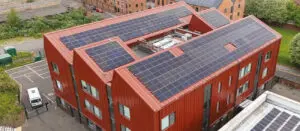
Madeley Academy
Madeley Academy is a modern state-of-the-art academy based in the historic mining...
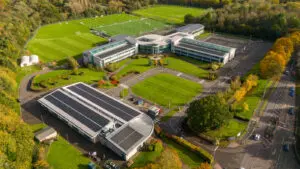
Sandwell Academy
Kembla was invited into Sandwell Academy to assess the feasibility of the...
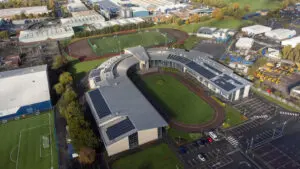
Stay up to date
Keep up to date with the latest Kembla updates.
Newsletter
 Daniel Reed
Couldn’t have been more helpful. Installation was quick and tidy, and suggested a great solution for the location of my charge point. Would highly recommend Declan and the team.
Review taken from Google reviews
Lynette Gleadall
Helpful, knowledgeable and polite. The Kembla team went out of their way to help us and ensured that any queries were dealt with. We were very happy with their service and our Zappi charging point.
Review taken from Google reviews
Robert Cash
A couple months ago we had Kembla install our solar system on our clubhouse. The process from start to finish was very professional and efficient. I would highly recommend Kembla to anyone looking into solar or renewables.
Review taken from Google reviews
Angela Doyle
Amazing service received by Kembla Limited. The installation of our 4 car charging points was seamless. I would highly recommend Declan and the team, they were great to work with, and very professional.
Review taken from Google reviews
Solar Battery Storage: Complete UK Guide 2026
Written by Daniel McMurray, Sales Manager Solar battery storage is essential for...
Commercial EPC Regulations for UK Landlords
Written by Billy Robertson, Commercial Manager Commercial EPC regulations are changing, and...
School Capital Funding 2026-27: A Guide for Schools
Written by Declan Adams, Managing Director School capital funding for 2026-27 has...