
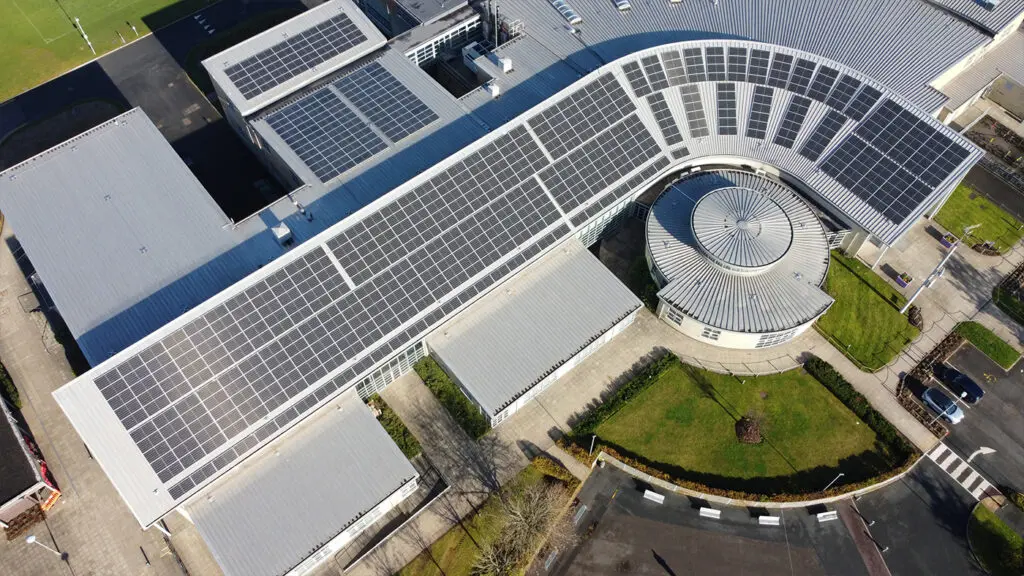
Solar Panels for Schools
Get a quoteBy investing in solar, schools can reduce their reliance on grid energy, lower utility costs, and redirect savings towards educational priorities
Solar Panels for Schools
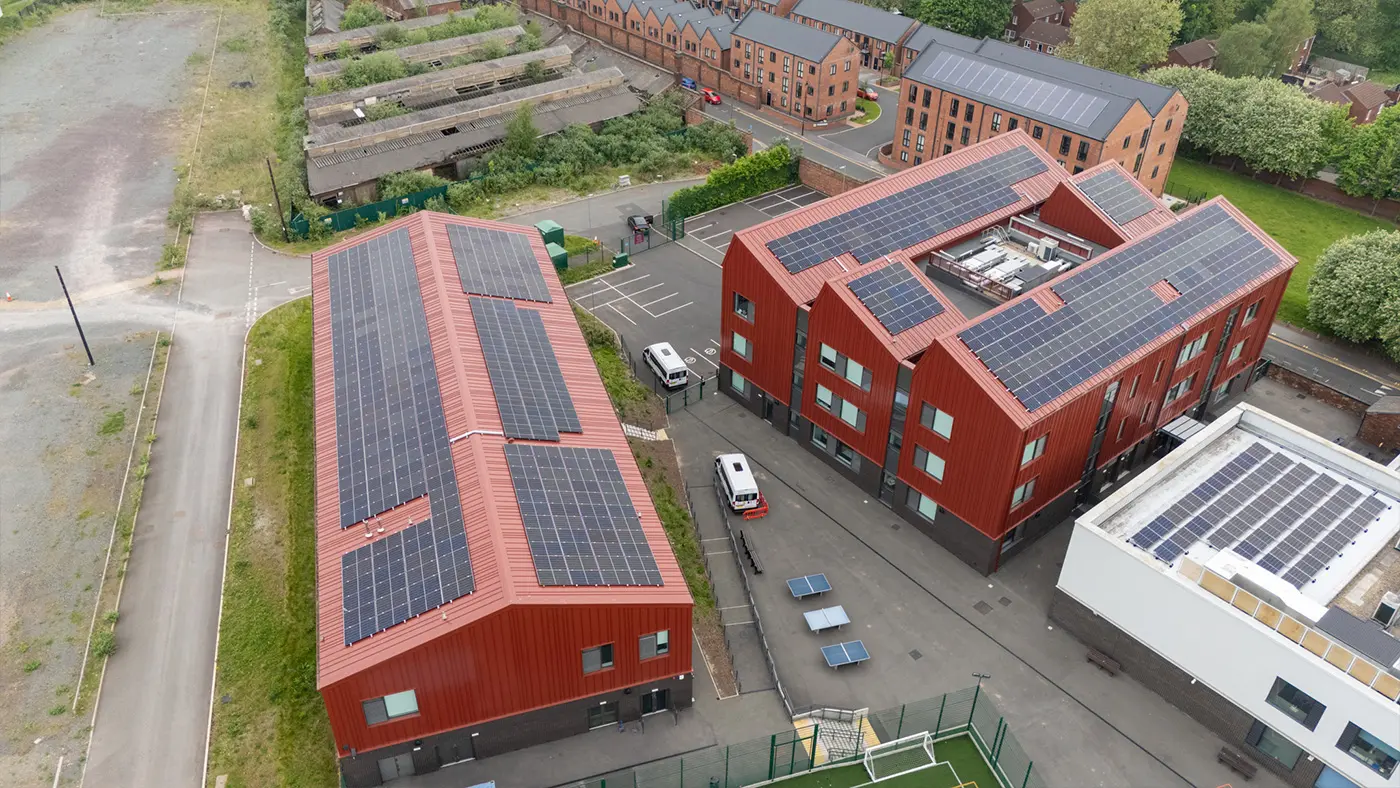
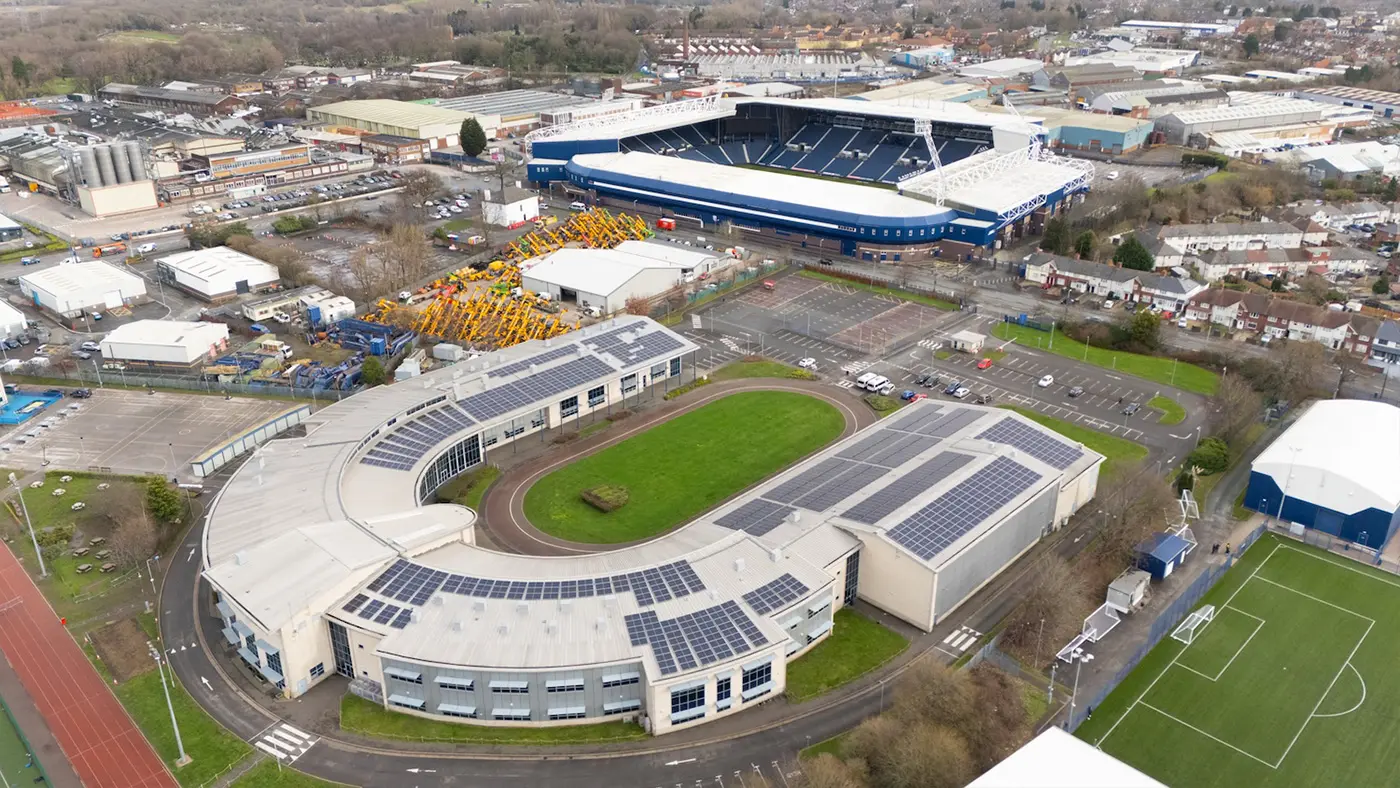
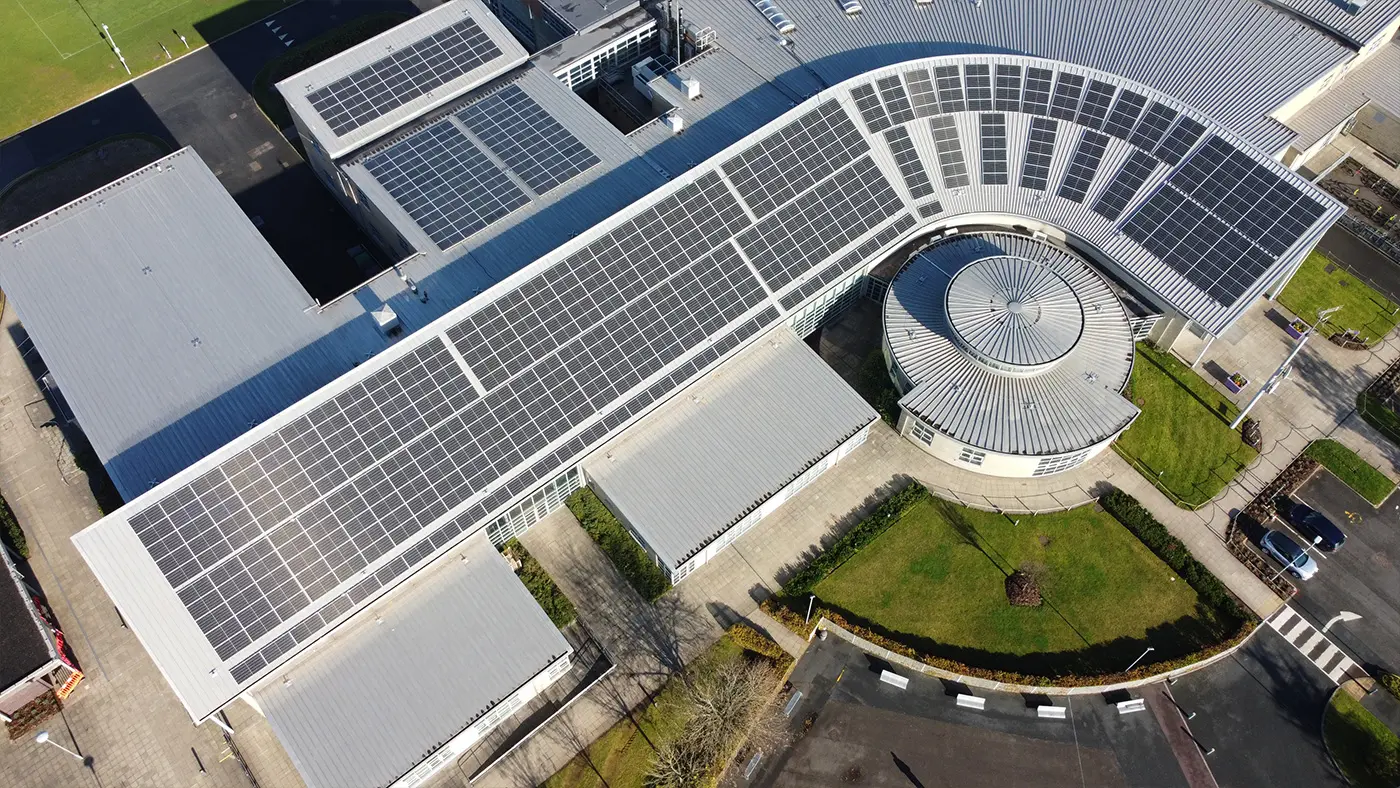
At Kembla, we understand the pressures schools face – rising energy bills, strict budgets and carbon reduction targets that aren’t going away. We have extensive experience delivering solar panel installations for schools and academies across the UK, and our approach is designed around how schools actually operate: minimal disruption, maximum savings.
Why Kembla?
We’ve designed and installed solar panel and battery systems for schools and academy trusts across the UK.

5442
Solar panels installed
3.86 GWh
Of clean energy generated
44894
Equivalent trees planted
5 years
Average payback period
West Midlands MAT CFO“Since partnering with Kembla to install solar panels across our trust, we’ve seen a noticeable drop in our energy bills; in the last 12 months, 33% of our electricity needs were met by our solar panels. Based on our current savings, we’re on track to achieve a payback period of 5-7 years at some of our schools, with the solar panels expected to provide electricity for 25-30 years in total.”
In their own words...
Why Solar Panels for Schools?
Energy bills are the second-largest cost a school faces after staffing. Solar panels tackle that directly – and strengthen your ESG credentials at the same time. Because schools run primarily during daylight hours, the energy your panels generate is the energy you actually use. There’s very little waste.
The numbers:
- Cut electricity costs by up to 70% – with a typical return on investment within 3–5 years
- Reduce grid dependency – generate your own power during peak school hours
- Hedge against rising energy prices – energy isn’t getting cheaper. With solar, you own your energy
- Access grants and funding – the government has pledged £2.1 billion to help schools future-proof their buildings. Power Purchase Agreements (PPAs) also offer a zero-upfront-cost route into solar, whether you own your building or not
- Deliver real curriculum value – live energy data and sustainability programmes give students hands-on learning
The result is long-term energy security, reduced carbon emissions, and a budget that stays in the classroom.
Get a quote
Discuss Your Solar Energy Options
Looking to reduce your energy costs and future-proof your school? Whether you’re considering commercial solar, industrial solar, battery storage, or EV charging solutions, our team can help you explore the options available and identify the best solution for your business.
Get in touch today to discuss your requirements and discover how renewable energy could benefit your school.
Frequently Asked Questions
Schools typically use the most electricity during the daytime, which aligns perfectly with when solar panels generate power. By producing electricity on-site, schools can reduce their reliance on grid energy, lower utility costs, and redirect savings towards educational priorities. Solar panels can also help schools demonstrate their commitment to sustainability while supporting long-term carbon reduction goals.
The amount a school can save depends on factors such as electricity usage, roof space, system size, and current energy costs. Many schools can significantly reduce their daytime electricity purchases from the grid, creating substantial savings over the lifetime of the system.
A detailed feasibility study can provide projected savings based on your school’s specific energy consumption profile.
Most school solar projects achieve payback within 5 to 10 years, depending on installation costs, available funding, and energy prices. As solar panels are designed to generate electricity for 25 years or more, schools can continue benefiting from reduced energy costs long after the initial investment has been recovered.
In most cases, disruption is minimal. The majority of installation work takes place on the roof and outside the building. Where possible, projects can be scheduled during school holidays, inset days, or quieter periods to minimise any impact on teaching and learning.
Before work begins, a detailed project plan is agreed with the school to ensure day-to-day activities can continue safely.
Yes. Many school solar installations are completed during term time with appropriate planning and safety measures in place. Contractors can establish segregated working areas, designated access routes, and controlled delivery schedules to ensure the school remains operational throughout the project.
Safeguarding is a critical consideration on every school project. Installations are planned in accordance with the school’s safeguarding policies and site requirements.
This may include:
- DBS-checked personnel where required
- Controlled contractor access
- Secure working zones
- Site-specific risk assessments
- Clear communication with school leadership and facilities teams
- Restricted access to pupil areas
The safety and wellbeing of pupils, staff, and visitors remains the highest priority throughout the project.
Every school site operates differently, which is why a dedicated site access plan is developed before work begins.
This typically covers:
- Contractor arrival and departure times
- Delivery schedules
- Equipment storage locations
- Emergency procedures
- Vehicle movements
- Safe pedestrian routes
The objective is to complete the installation safely while maintaining normal school operations.
Many school buildings are suitable for solar, but a professional survey is required to confirm this.
The assessment will consider:
- Roof condition and age
- Structural integrity
- Available roof space
- Roof orientation and pitch
- Shading from nearby buildings or trees
- Existing rooftop equipment
If improvements or repairs are needed before installation, these can be identified during the survey process.
If significant roofing works are planned in the near future, it is often advisable to complete them before installing solar panels. During the initial assessment, the condition and expected lifespan of the roof will be reviewed to ensure the proposed system is appropriate for the building.
Many school solar installations fall under permitted development rights, but requirements can vary depending on the building, location, and local planning regulations.
Additional considerations may apply to listed buildings, conservation areas, or sites with specific planning restrictions. A project assessment can help determine whether any permissions are required.
Yes. Many academy trusts are exploring solar installations across their estate to maximise energy savings and support wider sustainability objectives.
A portfolio-wide review can identify which schools offer the strongest return on investment and help create a phased implementation plan across multiple sites.
Schools may be able to fund solar projects through:
- Capital improvement budgets
- Academy trust investment programmes
- Government funding initiatives
- Local authority schemes
- Energy efficiency grants
- Community energy partnerships
- Finance or Power Purchase Agreement (PPA) models
Funding opportunities change regularly, so schools should explore the options available at the time of their project
Yes. Solar panels can make a significant contribution to reducing a school’s carbon emissions by generating clean, renewable electricity on-site.
Many schools are incorporating solar projects into wider sustainability strategies, environmental action plans, and net-zero commitments. Solar generation can also provide a visible demonstration of environmental leadership to pupils, parents, staff, and the wider community.
Absolutely. Many schools use solar generation data within STEM, geography, science, and sustainability lessons.
Live performance monitoring can provide real-world examples of renewable energy generation, carbon reduction, weather impacts, and energy consumption, helping bring classroom learning to life.
Solar panels are designed to operate with very little ongoing maintenance.
Typical requirements include:
- Periodic visual inspections
- Performance monitoring
- Routine electrical checks
- Occasional cleaning where necessary
Modern systems are highly reliable and can continue generating electricity efficiently for decades.
Most solar panels are designed to last 25 to 30 years or more. Manufacturers typically provide long-term performance warranties, ensuring panels continue producing a high percentage of their original output throughout their lifespan.
The best starting point is a solar feasibility assessment.
This will review:
- Energy consumption patterns
- Roof suitability
- Potential cost savings
- Carbon reduction benefits
- Funding opportunities
- Indicative installation costs
The assessment provides the information needed for school leaders, governors, trustees, and estates teams to make an informed decision.