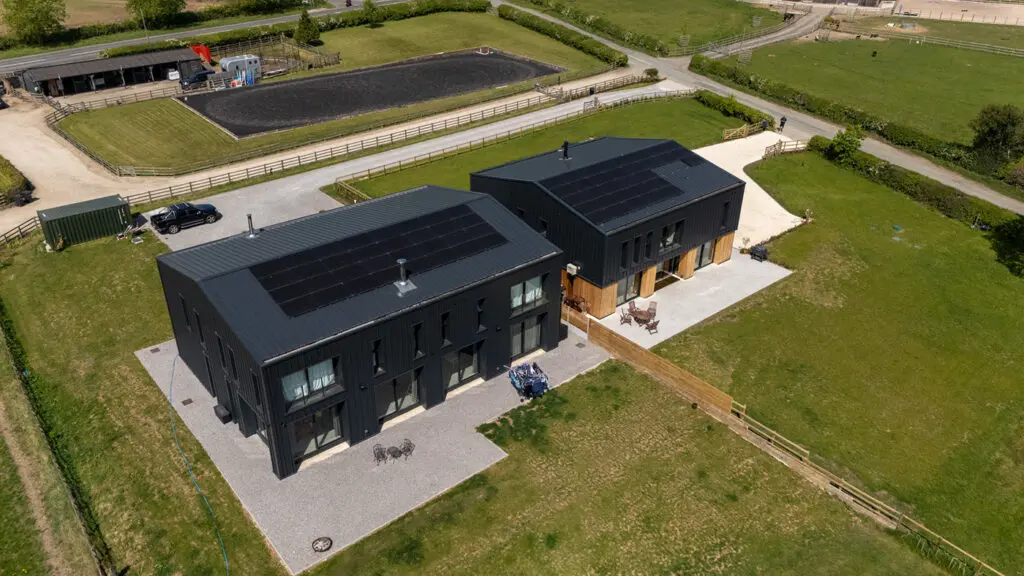
Solar Panels for Home
Get a quoteBy investing in solar, homeowners can cut their energy bills, reduce reliance on the grid and take a real step toward energy independence.
Solar Panels at Home
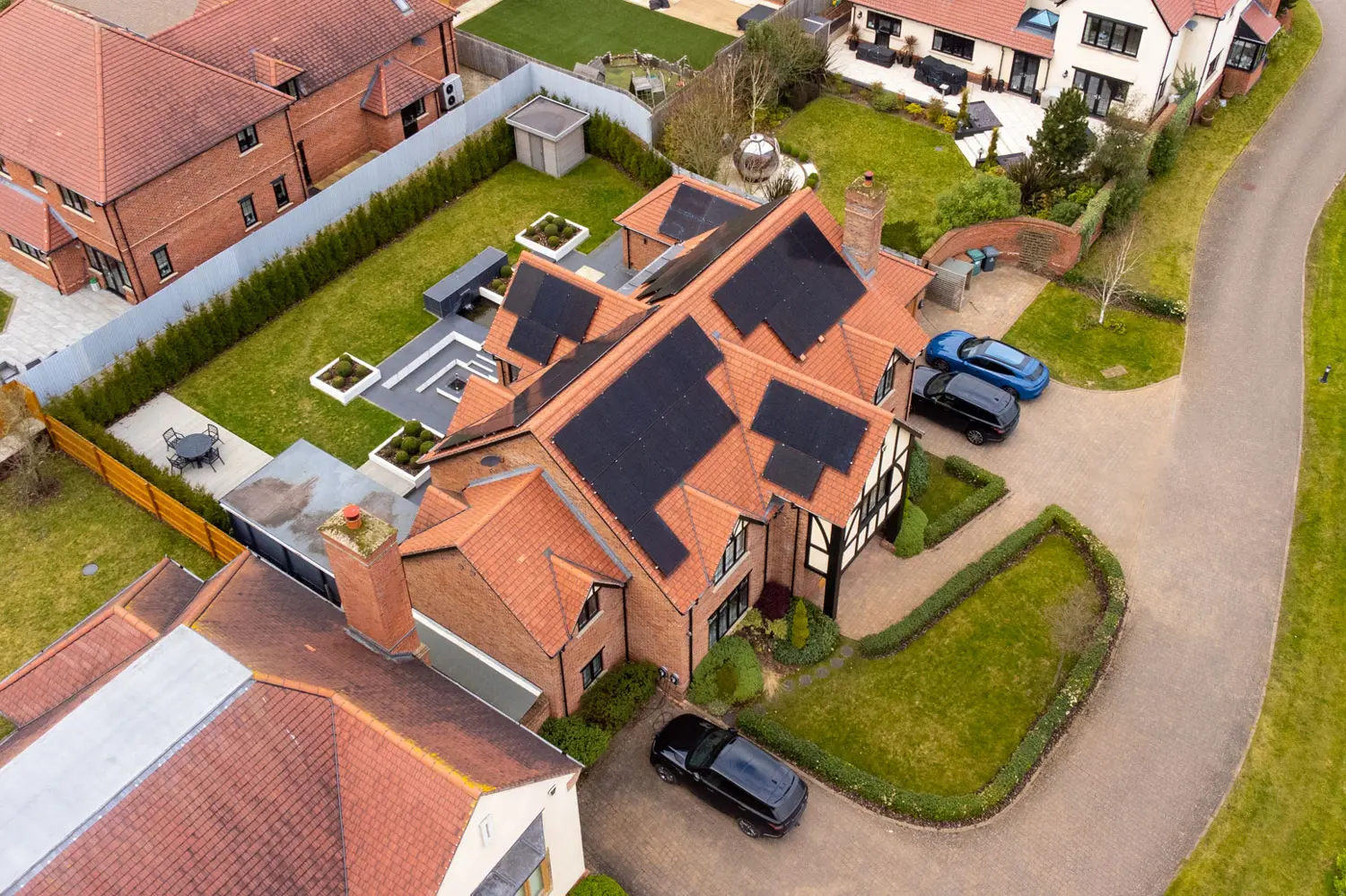
At Kembla, we understand the pressures homeowners face, rising energy bills, unpredictable prices and a growing desire to rely less on the grid. We design and install solar panels for homes across the UK, with systems tailored to your roof, your household’s energy use and your budget.
By investing in a solar pv system for your home, you can:
- Lower your energy bills and protect against rising electricity prices
- Generate your own clean energy and reduce your carbon footprint
- Add long term value to your property
From solar panels to battery storage and EV charging, we help homeowners build a complete energy solution, suited to how your household actually lives.
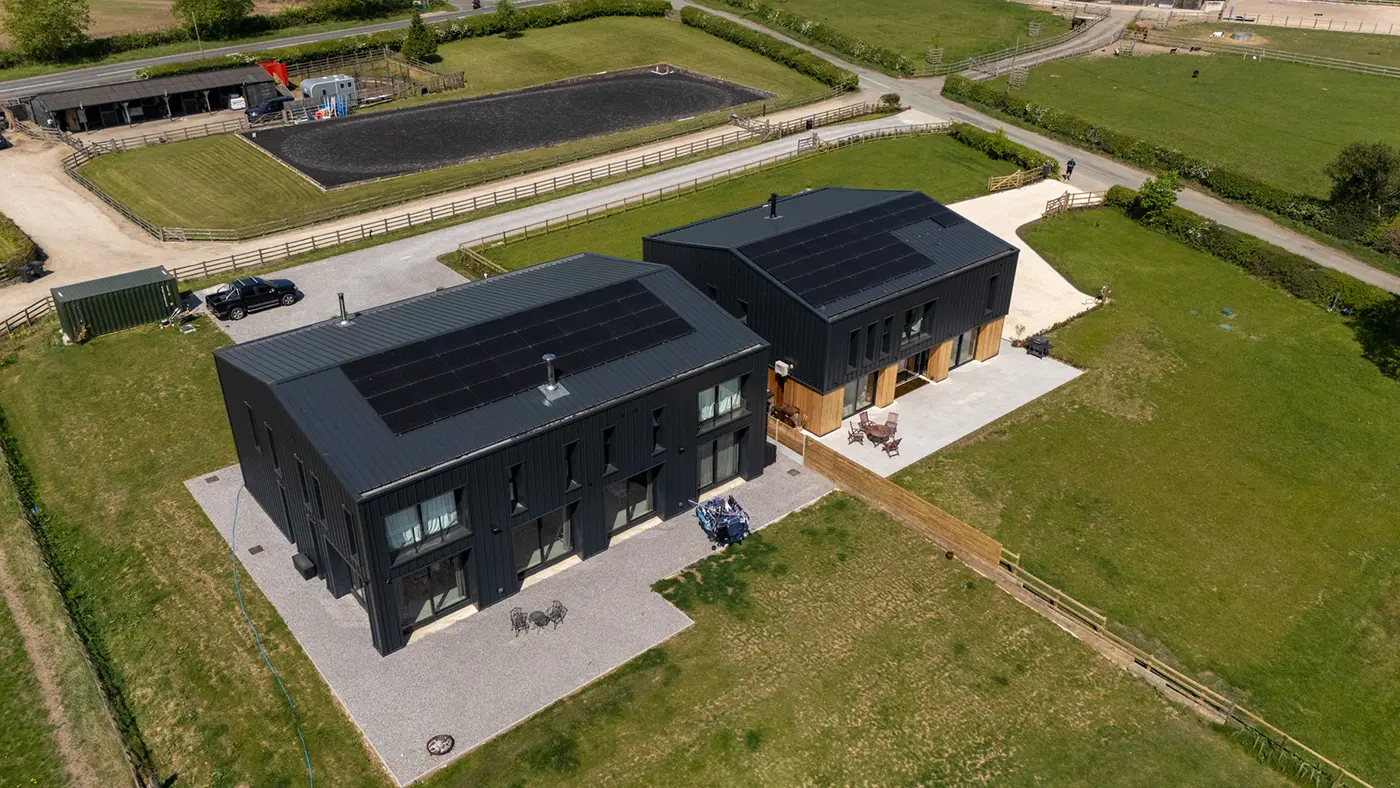

655
Residential installs completed
9887
Total average panels installed
6.48 GWh
Power generated
881.28 t
C02 emissions saved
54283
Equivalent trees planted
Why?
Why Solar Panels for Your Home?
Energy bills are one of the biggest ongoing costs of running a home, and prices aren’t getting cheaper. Solar panels tackle that directly, letting you generate your own power and use less from the grid.
The numbers:
- Cut electricity bills significantly, with most homeowners seeing a return on investment within several years.
- Reduce reliance on the grid, especially when paired with battery storage for use outside daylight hours.
- Hedge against rising energy prices, with your own generation locked in for decades.
- Add value to your property, as homes with solar are increasingly attractive to buyers.
- Access flexible funding, from outright purchase to finance options with no large upfront cost.
The result is lower bills, greater independence, and a home that’s better prepared for rising energy costs.
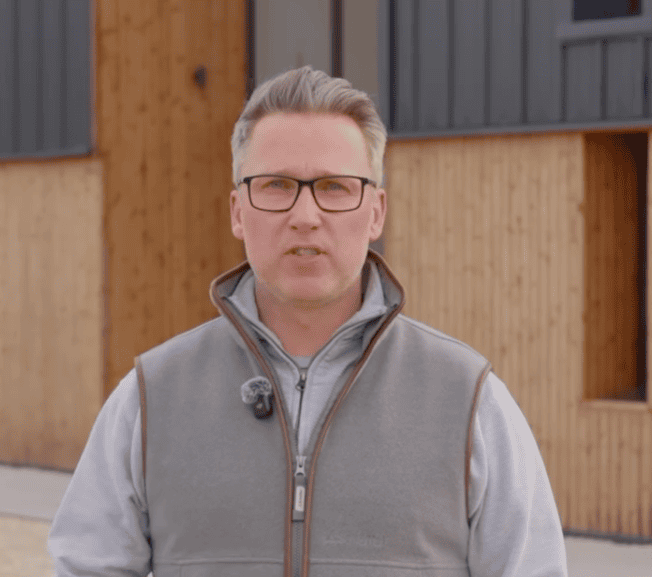
Tim Homeowner“Since installing solar panels, not only are we charging our car for free, but we’re powering our house completely – that’s all the heating and hot water. We don’t actually pay anything for our bills. We’re with Octopus Energy; we bank money with them over the summer months when it’s really sunny, and then when we come into the colder winter months we are using some of that credit.”
Get a quote
Discuss Your Solar Energy Options
Looking to lower your energy bills and take control of your home’s energy use? Whether you’re considering solar panels, battery storage or EV charging, our team can help you find the right solution for your property.
Get in touch today to discuss your requirements and see how solar could work for your home.
Our Process to Deliver Solar Panels for Homeowners
 1
Information we need to know first
 2
Desktop survey and illustration
 3
Thorough site survey
 4
Project proposal
 5
DNO & Planning
 6
Installation
Related Projects

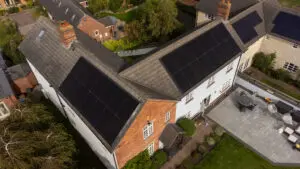
Solar Panels & Battery Storage in Nottingham (13 kWp system)
Looking to lower energy bills and reduce reliance on the grid, this...
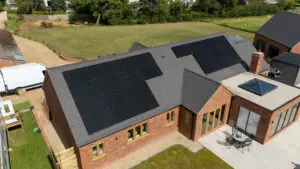
Solar Panels & Battery Storage in Lichfield (10.5 kWp system)
Looking to reduce energy bills and become less reliant on the grid,...
Residential Solar Solutions FAQs
Most homeowners can reduce their electricity bills by generating some of their own power at home. The amount you save depends on your energy use, how much of that electricity you use during the day, the size of your solar PV system, and whether you include battery storage. You may also be able to earn money for surplus electricity exported back to the grid through the Smart Export Guarantee.
For many homeowners, yes. Solar panels can reduce reliance on grid electricity, lower long-term energy costs and cut carbon emissions. They can still generate electricity on cloudy days, so they remain a practical option in UK conditions, especially when the system is properly designed for the property.
The on-site installation itself often takes around one to three days, depending on the size and complexity of the system. The full process can take longer once desktop surveys, site surveys, system design, approvals, and DNO notifications or applications are included. Some DNO approvals can take up to 45 working days where prior approval is required, although certain integrated microgeneration and storage applications can move faster.
In many cases, no. Solar panels on domestic properties in the UK are often classed as permitted development, which means planning permission is not usually required. There are still conditions that must be met, including rules on how far panels can project from the roof, and extra restrictions may apply for listed buildings, scheduled monuments, conservation areas, World Heritage Sites, or some flat roof installations on designated land.
The right solar system size depends on your household’s electricity usage, available roof space, roof orientation, shading and budget. A properly designed system should match your property and energy habits so you can improve self-consumption and make the most of your investment.
Yes, in many cases battery storage can be added after the initial solar panel installation. This can be a good option if you want to start with solar first and add storage later to increase self-use of the electricity you generate. Battery storage can also help households shift usage away from peak electricity prices.
Solar panels are built to last and typically have a lifespan of 25 to 30 years or more. Performance can gradually reduce over time, but quality products installed correctly should continue generating electricity for decades with minimal maintenance.
Yes. Solar panels still generate electricity in cloudy weather, although output is lower than on bright sunny days. They work from daylight, not only direct sunshine, which is why solar remains effective in the UK.
Yes. A solar battery stores excess electricity generated during the day so you can use it later, such as in the evening or during periods of lower solar generation.
They can make a property more appealing to buyers looking for lower running costs and better energy efficiency, although value added varies by property and location.
Your home will simply draw the extra electricity you need from the grid as normal.
No. South-facing roofs often produce the strongest output, but east- and west-facing roofs can still be suitable depending on the property and usage profile.