
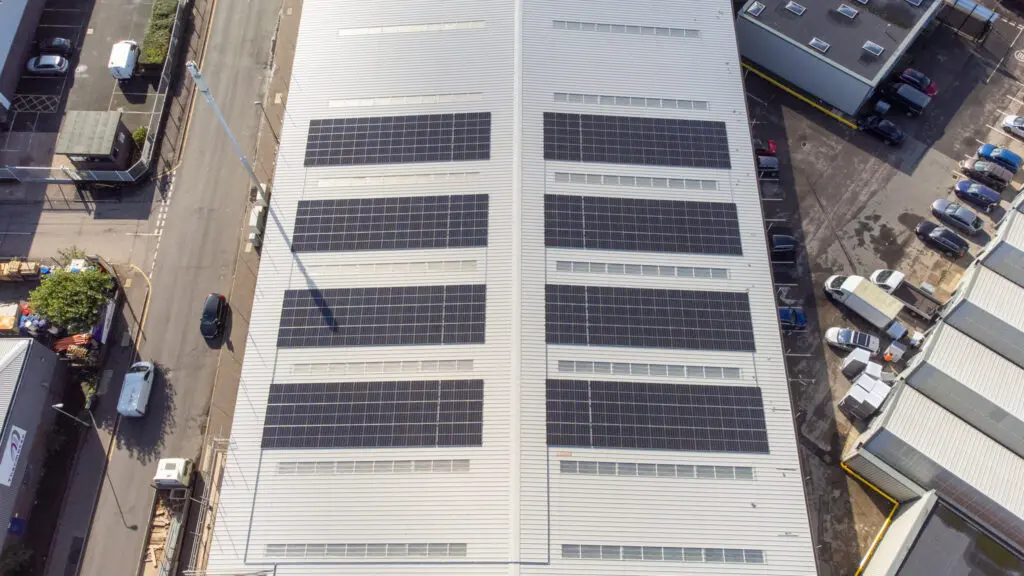
Solar Panels for Manufacturing
Get a quoteBy investing in solar, manufacturers can cut daytime energy costs, reduce exposure to rising electricity prices and support production without disruption.
Solar Panels for Manufacturing
At Kembla, we understand the pressures manufacturers face, high daytime energy demand, tight margins and rising electricity costs that eat into production budgets. We have extensive experience delivering solar installations for manufacturing sites across the UK, and our approach is built around how factories actually run: continuous operation, heavy daytime load and minimal tolerance for downtime.
Why Kembla?
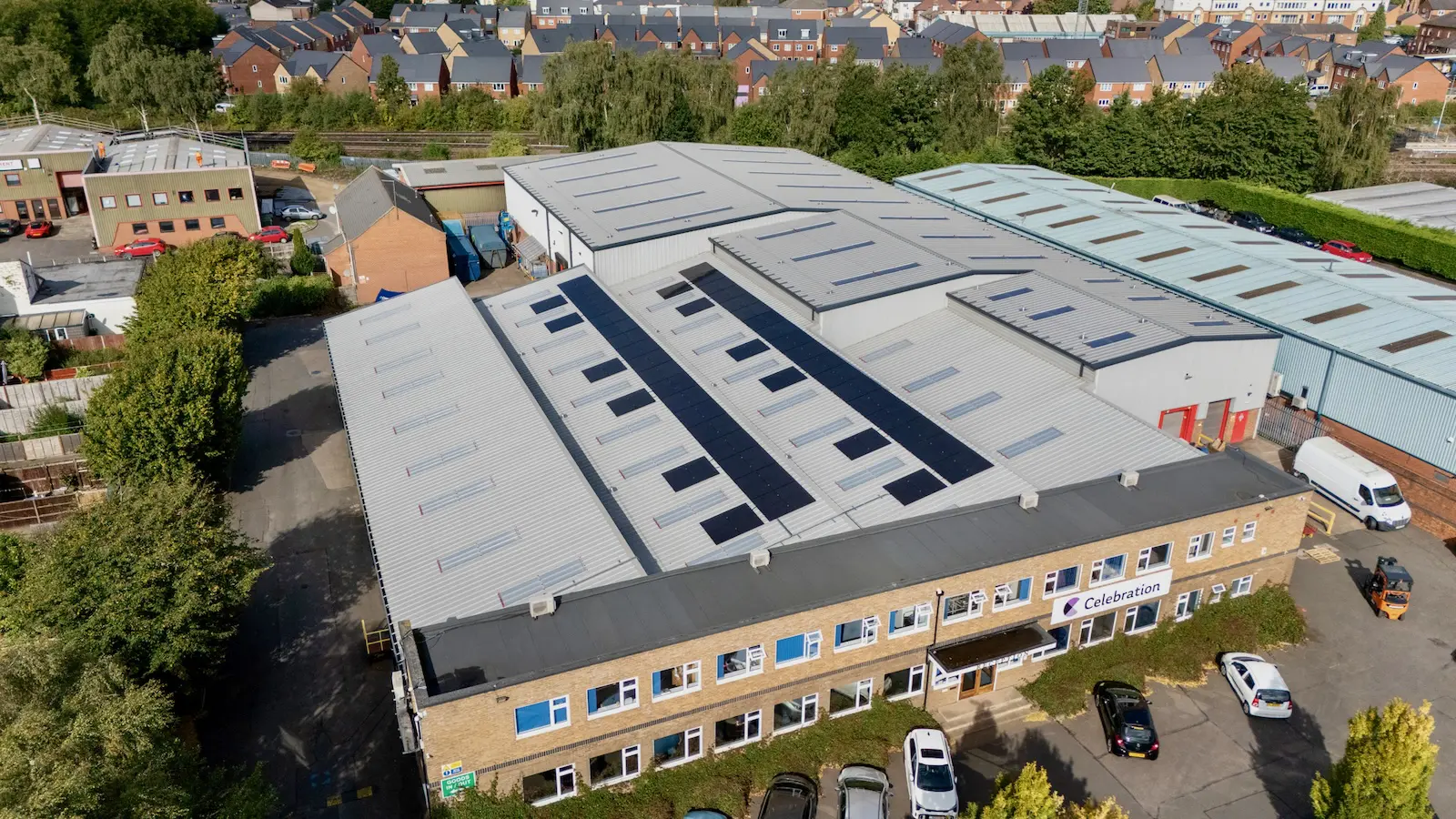
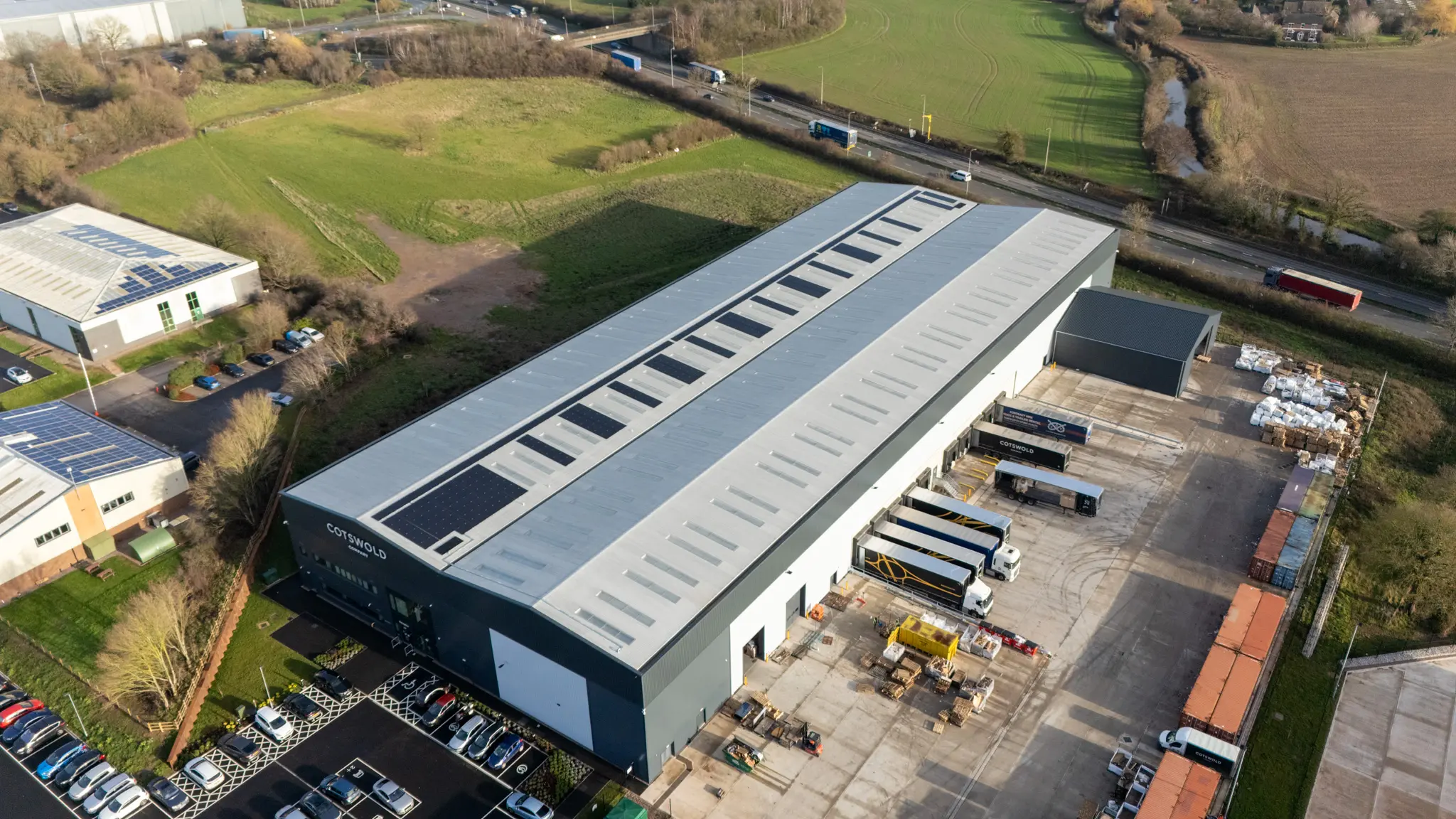
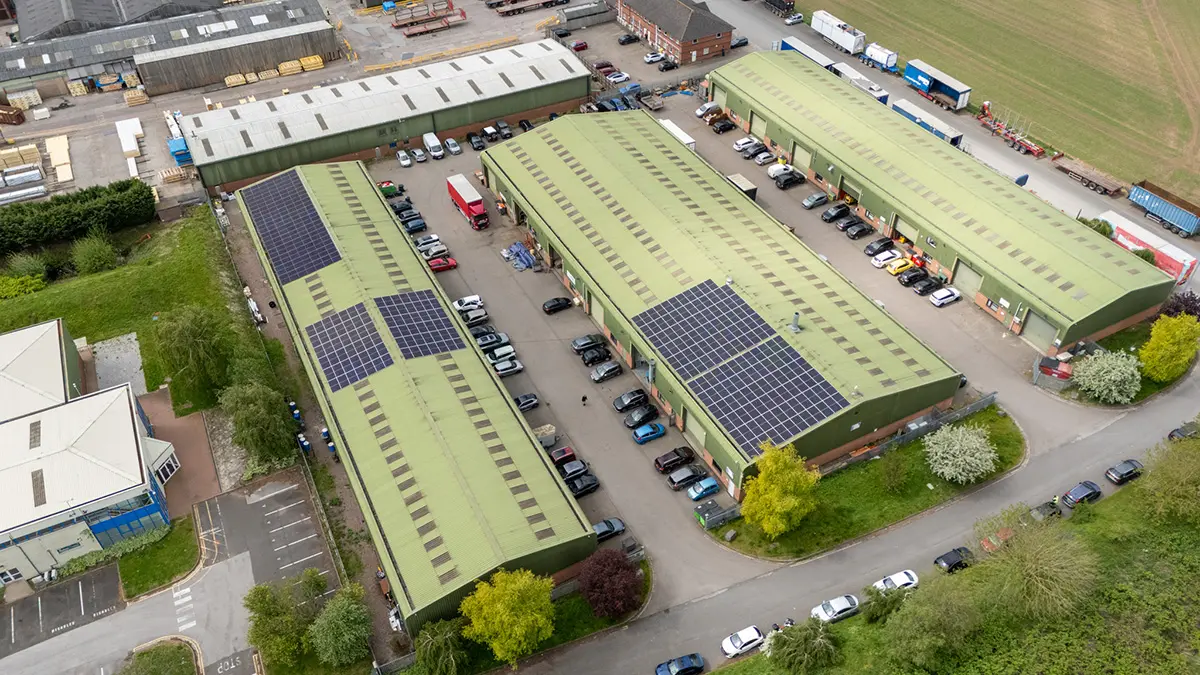
We’ve designed and installed solar panel and battery systems for manufacturing sites across the UK.


Gareth Bruce Managing Director, Brucom Distrbution“Brucom have worked closely with Kembla on both domestic and commercial renewable energy projects and I can honestly say their advice, technical knowledge and installation quality have been first class throughout.
Unlike many suppliers who simply want to sell equipment, Kembla took the time to understand our long-term energy strategy, our usage patterns, and the commercial return we were trying to achieve before recommending the right solution.
Sustainability is one of our key manufacturing principles at Brucom. We want to ensure that we are resilient in the face of global shocks to the fuel market whilst reducing our carbon footprint and the cost of manufacturing. Implementing efficient, large-scale solar generation helps us to achieve these goals.
What impressed me most was that every recommendation was based on practicality and return on investment, not sales talk. The systems have performed exactly as modelled, the installations have been professional, and Kembla have remained responsive and supportive throughout.
Renewable energy is a significant investment, and it only works when the technical design is correct. Kembla clearly understand both the engineering and the economics, which gave us confidence from day one.
I would have no hesitation in recommending Kembla to anyone considering serious long-term investment in solar, battery storage, or renewable energy solutions.”
Why Solar Panels for Manufacturing?
Energy is one of the biggest overheads on a production line, and it’s rising. Solar panels tackle that directly, and manufacturing sites are often the best possible fit for solar, since heavy daytime demand lines up exactly with peak generation hours. Very little of what you generate goes to waste.
The numbers:
- Cut electricity costs significantly, with high daytime usage giving one of the fastest payback periods of any sector
- Reduce grid dependency during your highest demand hours, when electricity is most expensive
- Hedge against rising energy prices, and reduce exposure to volatile industrial tariffs
- Support expansion without relying solely on increased grid capacity, using battery storage to manage peak demand
- Strengthen ESG credentials for supply chain requirements and client procurement standards
The result is lower operating costs, greater energy resilience and a stronger position when tendering for contracts that require sustainability credentials.
Get a quote
Discuss Your Solar Energy Options
Looking to reduce your energy costs and future-proof your production line? Whether you’re considering commercial solar, battery storage or EV charging for your fleet, our team can help you identify the best solution for your site.
Get in touch today to discuss your requirements and discover how renewable energy could benefit your business.
Frequently Asked Questions
Manufacturing sites typically run heavy loads throughout the day, which aligns closely with solar generation. By producing electricity on-site, manufacturers can reduce grid reliance during their most expensive demand periods and see faster payback than many other sectors.
Savings depend on your roof space, current energy usage, shift patterns and system size. A feasibility study can model projected savings based on your site’s actual consumption profile.
In most cases, disruption is minimal. Work takes place on the roof and around the building perimeter, with access and delivery schedules agreed in advance so production can continue as normal.
Yes. Installations are planned around your shift patterns and production schedule, with segregated work areas and controlled access to keep operations running throughout the project.
Many industrial roofs are well suited to solar, but a professional survey is needed to confirm this. The assessment covers roof condition, structural load capacity, orientation, shading and any existing rooftop plant or equipment.
Many installations fall under permitted development rights, though this can vary by building type, location and local planning rules. A project assessment will confirm what applies to your site.
Yes. Battery storage lets you store excess solar generation and use it during peak production hours, reducing costly demand spikes and helping manage grid capacity as your operations grow.
Options include capital investment, asset finance and Power Purchase Agreement (PPA) models with no upfront cost. Funding routes vary depending on your site and ownership structure.
Very little. Typical requirements are periodic visual inspections, performance monitoring and occasional cleaning. Systems are built to run reliably for decades with minimal intervention.
Most systems are designed to last 25 to 30 years or more, with manufacturer warranties covering long-term performance.
A solar feasibility assessment is the best starting point, reviewing your energy consumption, roof suitability, potential savings and funding options, so your team has the information needed to decide.