
Your Bespoke Solar PV Home Quote
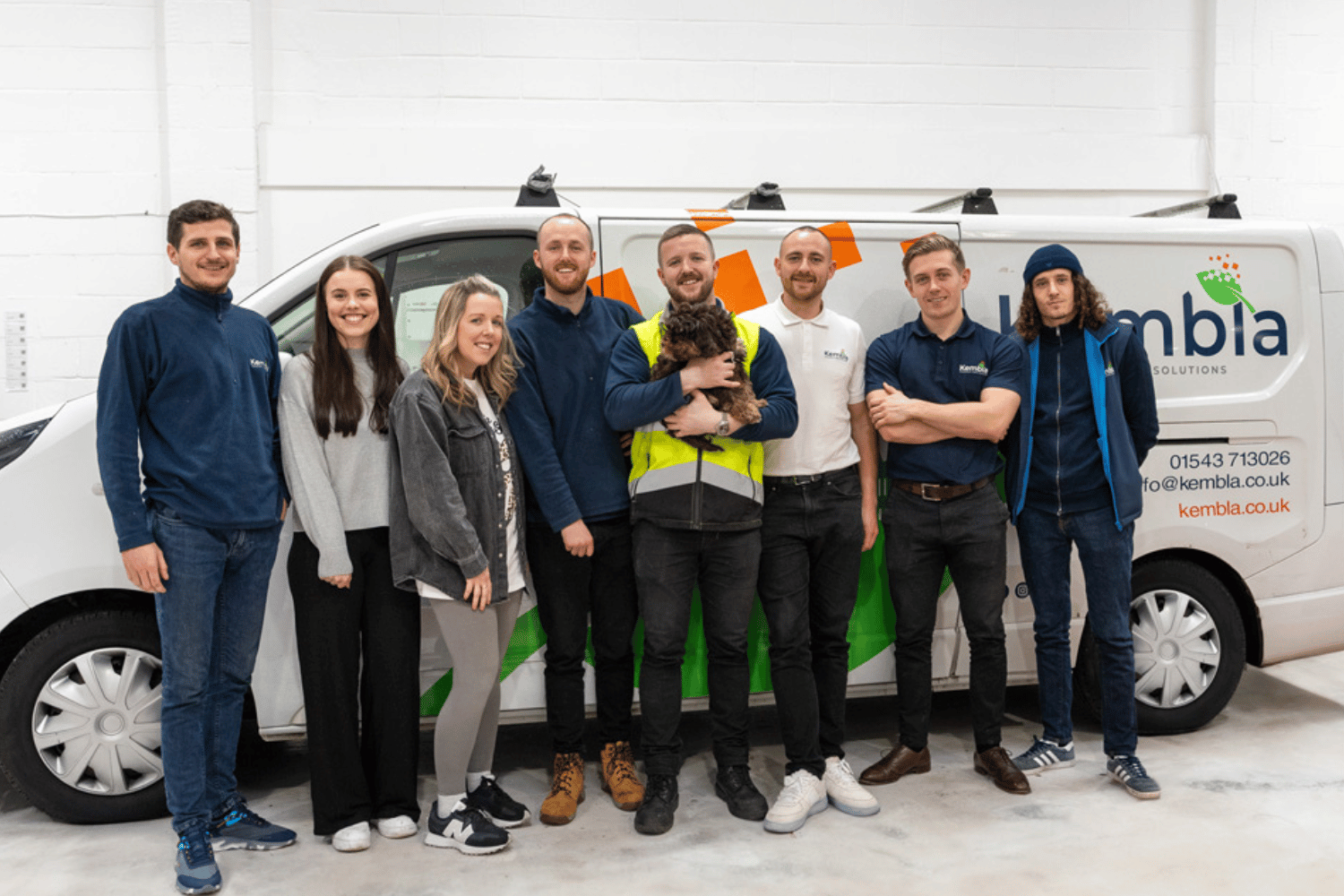
At Kembla, we are an award-winning, family-run renewable energy specialist delivering high-quality solar solutions to homes across the UK
Get a quoteOur commitment to quality and customer experience is reflected in our consistent 5-star reviews on Google and Trustpilot
We take a tailored approach to every installation, designing systems around your property, energy usage, and long-term goals – ensuring you get the best performance and return on investment.
From your initial enquiry through to installation and aftercare, we provide a seamless, fully managed service. Our experienced team will guide you ate very stage, making the process straightforward, transparent, and hassle-free.
We are fully accredited by MCS, NAPIT, RECC, CHAS and hold ISO certification, giving you confidence that all work is carried out to the highest industry standards. As approved installers for leading smart energy technologies, we are able to offer modern, future-proof solutions built around your needs.
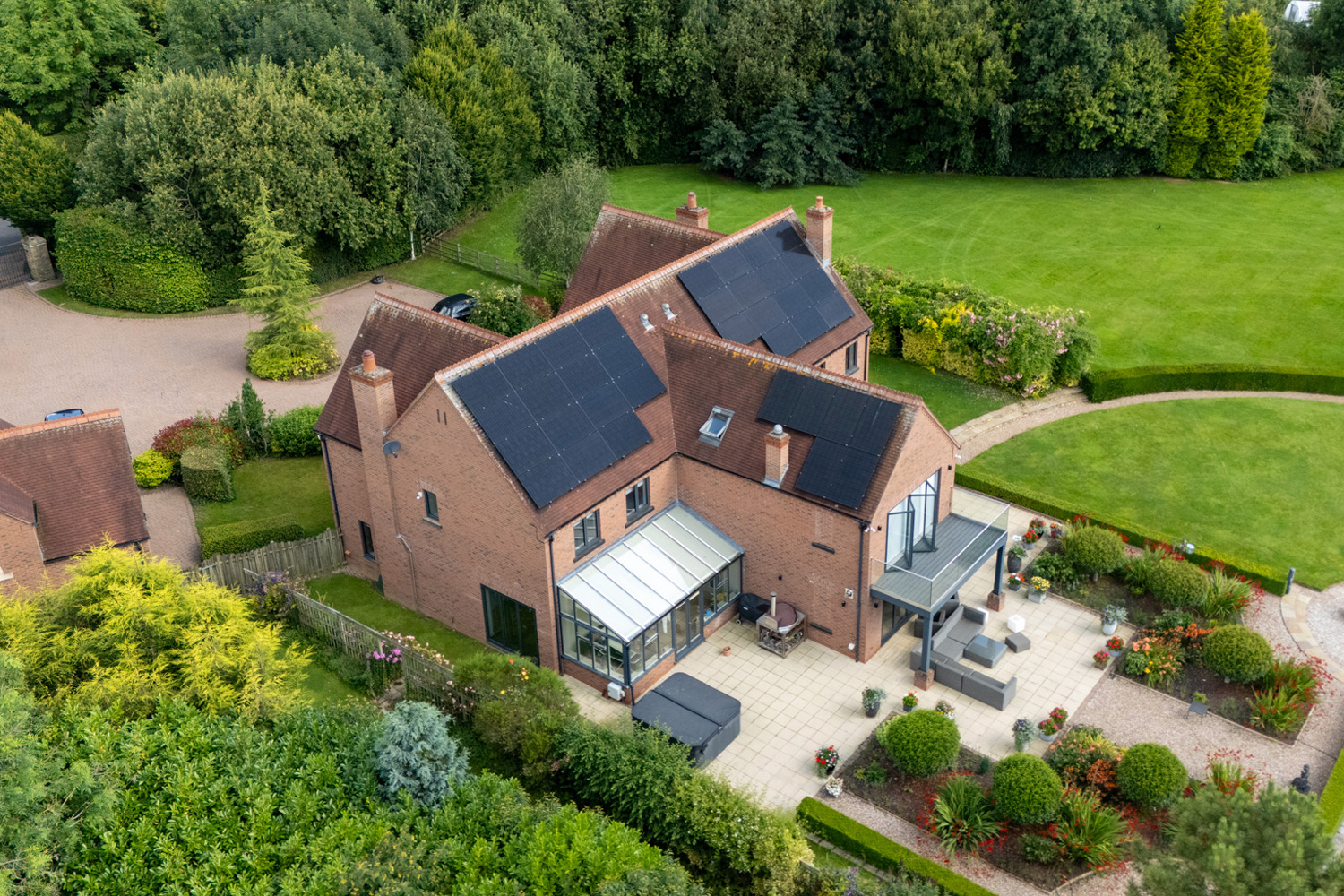
We specialise in:
- Solar Panels
- Inverters
- Battery Storage
- EV Charging
We’ve been awarded across multiple projects, both small and large-scale:
- Solar PV Contractor of the Year 2025
- Most Innovative Solar Energy Solutions Company 2024
- Commended for Customer Service Award
- Highly Commended Solar PV Installer / Contractor 2024
FAQs
This will depend on the amount of energy you typically use. An average home solar installation in the UK is 4kW. If you have a large house or your usage is high, you may require a larger system. Your supplier will assess each of their customers separately, to give a tailored solution.
Once again, this will depend on the products and size of the system you need. On average the cost in the UK for a 4kW home system with battery is between £8,000 and £12,000. That’s to fully install and get up and running. What’s more, the savings start, from the moment you switch on.
Beware, one common mistake consumers make is going with the cheapest quote. Sometimes this can lead to your solar system costing more, in the long run.
This will depend on the size of the system and how much power you use at home or export to the national grid. On average for each KwH consumed from your system, you will save 0.22p/ 0.25p per hour (although this can be higher for businesses).
Through the Government’s Smart Export Guarantee for any power exported to the grid, your energy retailer will pay up to 0.10p per KwH.
Typically, solar panels will be placed on your existing roof space. This does however depend on how much roof space you have and also the roof angle. Usually, UK panels are required to face south (these will generate the most energy and return the best investment).
If you are unable to place south-facing panels then don’t worry; panels can be installed on the east and the west side of a roof or a property. They can also, very successfully, be installed on a flat roof and then tilted to face south.
As a part of your installation, you will have an inverter fitted. This is the electrical converter that changes the direct current from your solar panels into the actual current you’ll use, in your home or business. Typically, your inverter will be mounted on an external wall, protected from direct sunlight.
It is hard to choose the ‘best’ solar panel, as the supportive technology is constantly evolving. When picking a solar module however, ensure it is MCS certified. Look also at the warranties from the manufacturer.
Ensure an MCS accredited company installs your system and preferably use someone local (using a local company is, of course, greener). When choosing an installer, it is also a good idea to ask to see case studies and to speak with their earlier customers.
Yes. Solar systems will still produce electricity on cloudy days because light will still penetrate the clouds. This is similar in effect, to the way that we can still get a suntan (and even get sunburnt!) on cloudy days.
Yes. Solar can be diverted so that excess solar PV can heat your hot water. This also maximises savings.
Yes. With the correct mounting, solar panels can be installed outside and then tilted to increase efficiency. An external solar system will be installed using a ground mount system. You may see these around the country, with 1000’s of panels occupying a field, previously used for agriculture.
Yes. It is always worth ensuring your system against accidents. An example of this may be a lightning strike or damage from falling debris. There is, by the way, no need to worry about manufacturing defects, as these will be covered within the manufacturer’s warranty.

22099
Total Solar Panels Installed
8.6 GWH
Clean Energy Generated
1663 Tn
Co2 Emissions Saved
100593
Equivalent trees planted
Our Partners


 Daniel Reed
Couldn’t have been more helpful. Installation was quick and tidy, and suggested a great solution for the location of my charge point. Would highly recommend Declan and the team.
Review taken from Google reviews
Lynette Gleadall
Helpful, knowledgeable and polite. The Kembla team went out of their way to help us and ensured that any queries were dealt with. We were very happy with their service and our Zappi charging point.
Review taken from Google reviews
Robert Cash
A couple months ago we had Kembla install our solar system on our clubhouse. The process from start to finish was very professional and efficient. I would highly recommend Kembla to anyone looking into solar or renewables.
Review taken from Google reviews
Angela Doyle
Amazing service received by Kembla Limited. The installation of our 4 car charging points was seamless. I would highly recommend Declan and the team, they were great to work with, and very professional.
Review taken from Google reviews